What Is ISO/IEC 42001? A Plain-English Guide for Businesses
This guide explains ISO 42001 and how organisations can implement an Artificial Intelligence Management System to govern AI risks and ensure responsible use of AI technologies.
Artificial intelligence is becoming a core part of modern business operations. Organisations are using AI to automate processes, analyse data, support decision-making, and enhance products and services.
However, as AI adoption grows, so do concerns about risk, accountability, transparency, and governance.
ISO/IEC 42001 was created to address these concerns.
This guide explains what ISO 42001 is, who it applies to, and why it matters for businesses using artificial intelligence.
ISO 42001 Definition
ISO/IEC 42001 is an international standard that specifies requirements for establishing, implementing, maintaining, and continually improving an Artificial Intelligence Management System (AIMS) within an organisation.
The standard helps organisations govern how artificial intelligence systems are designed, developed, deployed, and monitored. It enables organisations to identify AI risks, implement oversight, and demonstrate responsible and trustworthy use of artificial intelligence.
ISO 42001 applies to organisations that develop AI systems, integrate AI into products, or use AI tools in business operations.
What Is ISO/IEC 42001?
ISO/IEC 42001 is an international standard for Artificial Intelligence Management Systems (AIMS).
It provides a framework that helps organisations govern, manage, and monitor their use of artificial intelligence.
The standard enables organisations to:
- identify AI systems they use or develop
- assess risks associated with AI
- implement governance and oversight
- document responsible AI practices
- demonstrate accountability and transparency
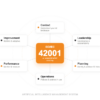
Like other ISO management system standards, ISO 42001 focuses on organisational processes, leadership responsibility, and continuous improvement, rather than purely technical controls.
ISO 42001 helps organisations use AI in a controlled, responsible, and auditable way.
What Is an Artificial Intelligence Management System (AIMS)?
An Artificial Intelligence Management System (AIMS) is the structured framework an organisation uses to manage AI throughout its lifecycle.
This includes governance, policies, processes, and controls covering:
- how AI systems are designed or selected
- how risks such as bias or errors are assessed
- how AI models are monitored and evaluated
- who is responsible for oversight and decisions
- how incidents or failures are handled
ISO 42001 provides guidance on how to establish and operate this system.
The aim is to ensure AI systems are used responsibly, safely, and transparently.
Why Was ISO 42001 Created?
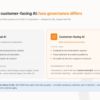
Artificial intelligence introduces risks that traditional governance frameworks do not fully address.
These risks can include:
- algorithmic bias and unfair outcomes
- lack of transparency in automated decisions
- misuse of AI systems
- unreliable or inaccurate outputs
- unclear accountability for AI-driven decisions
- impact to individuals, groups and society
Governments and regulators around the world are increasingly concerned about these issues.
ISO 42001 was developed to provide organisations with a globally recognised framework for responsible AI governance.
It allows organisations to demonstrate that AI systems are being managed in a structured and accountable way.
Does ISO 42001 Apply to Your Organisation?
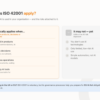
ISO 42001 is broader than many people assume. It applies to any organisation that develops, deploys, or uses AI — including those using third-party AI tools. You don't need to build your own models for it to be relevant.
ISO 42001 is designed for any organisation that develops, deploys, or uses artificial intelligence systems. This includes:
- software and SaaS companies building AI features
- financial institutions using AI for decision-making
- organisations using AI tools internally
- companies integrating third-party AI solutions
- technology providers offering AI-enabled services
If your organisation uses AI in products, services, or internal processes, ISO 42001 may be relevant.
Many organisations use AI through third-party services such as large language models, AI analytics tools, AI-powered automation platforms, and AI-enabled SaaS products. ISO 42001 still applies because organisations remain responsible for how those tools are used and the risks they create.
The standard encourages organisations to assess third-party AI risks, evaluate supplier practices, monitor outputs and decision impacts, and maintain appropriate oversight.
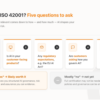
If any of the following apply to you, ISO 42001 is worth your attention:
- You use AI-powered SaaS tools internally (analytics, automation, support)
- Your products include AI features or integrations
- You rely on large language models or AI-enabled decision-making
- Customers or partners are asking you about your AI governance practices
- You're preparing for EU AI Act obligations
- Your board wants assurance over AI-related risks
Is ISO 42001 Mandatory?
ISO 42001 is not currently mandatory under most laws.
However, many organisations choose to adopt it because:
- customers increasingly ask about AI governance
- regulators expect responsible AI practices
- boards want assurance over AI risks
- AI-related incidents can damage reputation
ISO 42001 can also help organisations prepare for emerging regulation, such as the EU AI Act.
Certification demonstrates that an organisation has implemented a structured approach to managing AI risks.
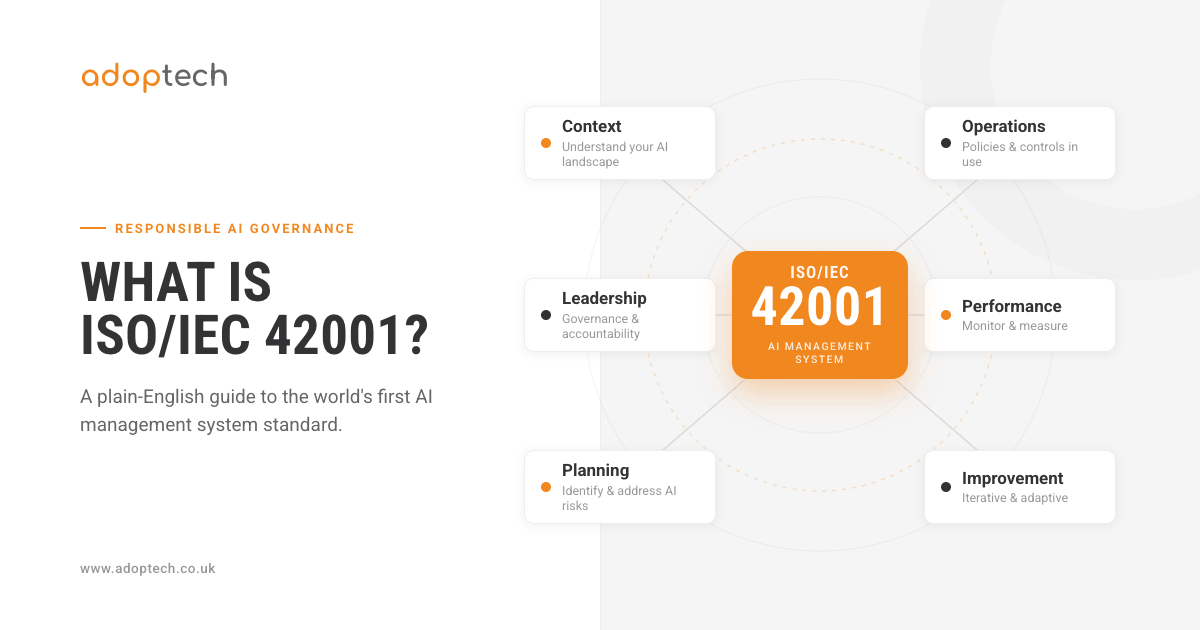
How Is ISO 42001 Structured?
ISO 42001 follows the same management system structure used by many ISO standards. The framework includes:
What Are ISO 42001 Annex A Controls?
ISO 42001 includes a set of recommended controls in Annex A.
These controls support responsible AI practices and help organisations implement the management system effectively.
Examples include controls related to:
- AI risk assessment
- data quality and bias mitigation
- transparency and explainability
- human oversight of automated decisions
- monitoring AI system performance
- incident and issue management
- AI development lifecycle
These controls help ensure that AI systems operate in a way that is safe, accountable, and aligned with organisational policies.
How Does ISO 42001 Compare to ISO 27001?
ISO 27001 focuses on information security management, while ISO 42001 focuses on AI governance and risk management.
The two standards are complementary.
| ISO 27001 | ISO 42001 |
|---|---|
| Protects information and data | Governs AI systems |
| Focuses on confidentiality, integrity and availability | Focuses on AI risks, fairness, transparency and accountability |
| Security controls | AI governance and lifecycle controls |
Many organisations that already operate an ISO 27001 management system will find that ISO 42001 builds on similar governance principles.
Related Standards
Organisations implementing ISO 42001 often also use:
- ISO 27001 – Information Security Management
- ISO 22301 – Business Continuity Management
- ISO 9001 – Quality Management
- SOC 2 – AICPA System and Organization Controls
Why ISO 42001 Matters for Businesses
Artificial intelligence can create enormous opportunities, but it also introduces new forms of risk.
Poorly governed AI systems may result in:
- biased or discriminatory outcomes
- incorrect automated decisions
- regulatory scrutiny
- loss of customer trust
ISO 42001 provides organisations with a framework to identify these risks early and manage them effectively.
It also helps organisations demonstrate to customers, regulators, and partners that AI systems are being used responsibly.
Key Takeaways
ISO/IEC 42001 is the first international standard designed specifically for AI governance and management.
It helps organisations:
- manage risks associated with AI systems
- implement clear governance and accountability
- monitor and improve AI operations
- demonstrate responsible use of artificial intelligence
As AI becomes embedded across business processes and digital products, frameworks like ISO 42001 will play an important role in ensuring that AI is used safely, transparently, and responsibly.
ISO 42001 at a Glance
| Topic | Summary |
|---|---|
| Standard | ISO/IEC 42001 |
| Published by | International Organization for Standardization (ISO) and IEC |
| Purpose | Framework for governing artificial intelligence systems |
| Management system | Artificial Intelligence Management System (AIMS) |
| Applies to | Organisations that develop, deploy, or use AI |
| Key focus | AI risk management, governance, oversight, transparency |
| Certification | Organisations can become ISO 42001 certified through accredited audits |
Frequently Asked Questions
What is ISO 42001 in simple terms?
ISO 42001 is a standard that helps organisations manage risks and governance related to artificial intelligence.
Is ISO 42001 only for AI developers?
No. It also applies to organisations that use AI systems, including third-party AI tools.
Does ISO 42001 apply to SaaS companies?
Yes. SaaS companies that build or integrate AI features may benefit from ISO 42001 to manage risk and demonstrate responsible AI practices.
Is ISO 42001 legally required?
ISO 42001 is not currently mandatory in most jurisdictions, but it helps organisations demonstrate responsible AI governance and prepare for emerging regulation.
How does ISO 42001 differ from ISO 27001?
ISO 27001 focuses on information security, while ISO 42001 focuses on governance and risk management for AI systems.
What is ISO 42001?
ISO/IEC 42001 is an international standard that provides a framework for managing artificial intelligence systems. It helps organisations implement governance, risk management, and oversight for AI technologies.
What is an Artificial Intelligence Management System (AIMS)?
An Artificial Intelligence Management System (AIMS) is the framework an organisation uses to manage the lifecycle of AI systems. This includes governance, risk assessment, monitoring, and accountability.
Who should implement ISO 42001?
ISO 42001 can be implemented by organisations that:
- develop AI models or systems
- integrate AI into digital products
- use AI tools to support decision-making
- deploy AI internally for analytics or automation
Is ISO 42001 certification required?
ISO 42001 certification is voluntary, but organisations may pursue it to demonstrate responsible AI governance and to build trust with customers, regulators, and partners.
How does ISO 42001 relate to the EU AI Act?
ISO 42001 is not a regulation, but it can help organisations implement governance practices that align with regulatory expectations, including those introduced by the EU AI Act.
When was ISO 42001 published?
ISO/IEC 42001 was published in December 2023. It is the first international standard designed specifically to help organisations establish and operate an Artificial Intelligence Management System (AIMS). The standard was developed jointly by the International Organization for Standardization (ISO) and the International Electrotechnical Commission (IEC).
Since its publication, ISO 42001 has become an important framework for organisations seeking to implement responsible AI governance and risk management.
What are the main components of ISO 42001?
Key elements of ISO 42001 include:
- AI governance and leadership oversight
- AI risk assessment and mitigation
- transparency and accountability
- monitoring AI performance
- continuous improvement of AI systems
Up next in this series
- What Is an AI Management System (AIMS)?
- ISO 42001 and the EU AI Act
- Who Needs ISO 42001 (and Who Probably Doesn't)
- ISO 42001 vs ISO 27001: What's the Difference?
- How to Get ISO 42001 Certified: Step-by-Step
Ready to implement ISO 42001?
Adoptech helps organisations of all sizes achieve ISO 42001 certification efficiently — combining intelligent automation with UK-based compliance specialists.
Talk to our team